
10 Veterinary Emergency Signs That Require an Immediate Vet Visit
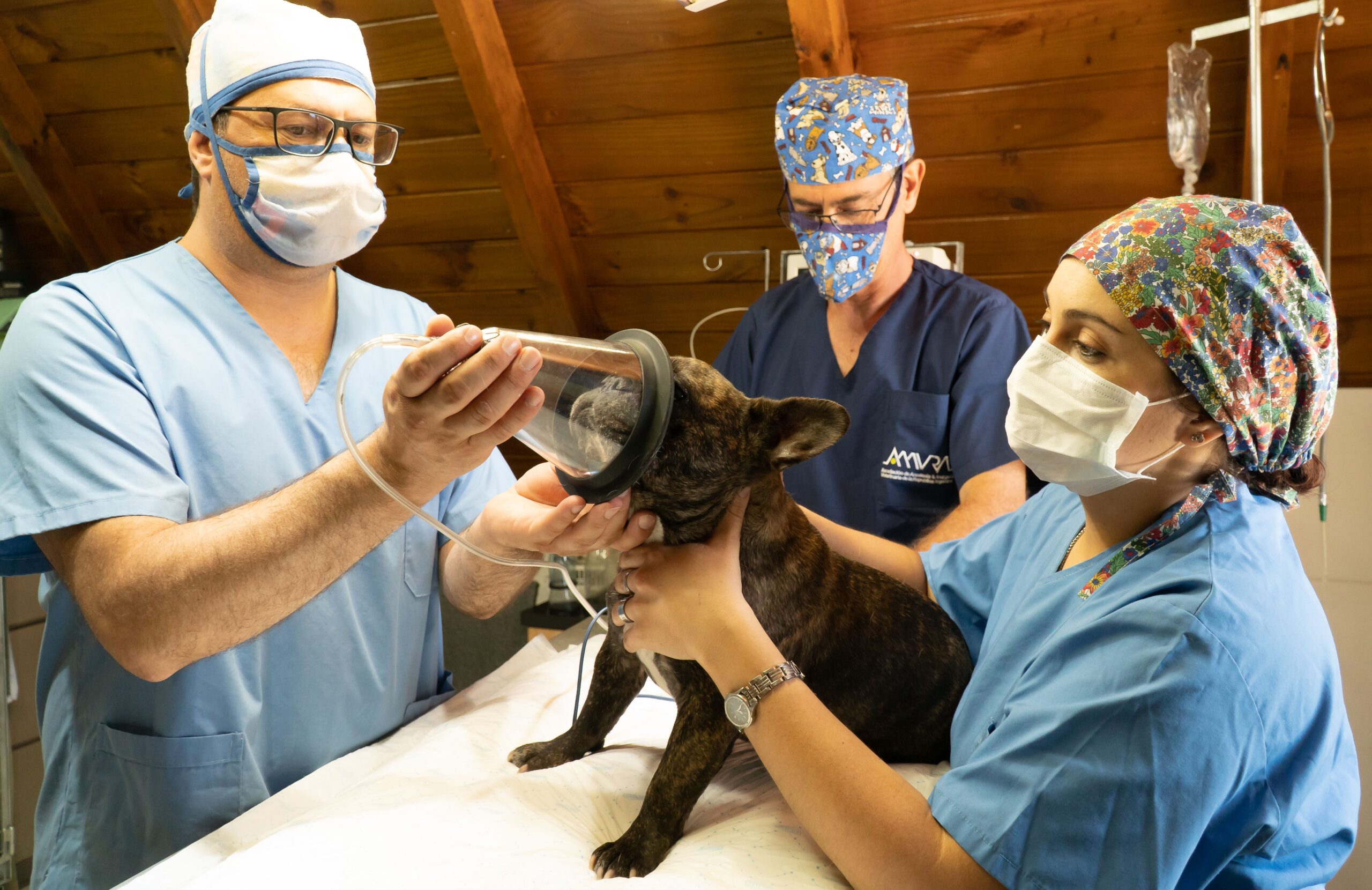
Veterinary emergency signs that require an immediate visit include: severe difficulty breathing, uncontrolled bleeding, sudden bloating in the abdomen, loss of consciousness or seizures, inability to urinate, ingestion of a toxic substance, and serious injury from an accident. If any of these signs appear in your cat or dog, head to the nearest emergency veterinary clinic without delay.
Why Is It Important to Recognize Emergency Signs Early?
Rapid intervention in critical situations can be the difference between your pet’s life and death. Animals instinctively hide signs of pain or illness as a survival mechanism, so when clear symptoms do appear, it usually means the condition is advanced and requires immediate veterinary intervention.
10 Veterinary Emergency Signs You Must Not Ignore
1. Severe or Abnormal Difficulty Breathing
If you notice your pet panting heavily, breathing irregularly without exertion, or its tongue or gums turning blue or pale, this is an emergency that requires an immediate trip to the veterinarian.
2. Uncontrolled Bleeding
Any severe bleeding from a wound, nose, or mouth, or the presence of blood in urine or stool, requires an immediate examination.
3. Sudden Bloating or Swelling in the Abdomen
Especially in large dogs, this can indicate bloat (GDV), a life-threatening condition that develops within hours and requires emergency surgery.
4. Loss of Consciousness or Seizures (Convulsions)
Loss of consciousness, recurring seizures, or a seizure lasting more than two minutes requires immediate veterinary care.
5. Inability to Urinate or Defecate
Repeated attempts to urinate without result, especially in male cats, may indicate a urinary blockage, which is a life-threatening emergency if not treated within hours.
6. Ingestion of a Toxic Substance or Foreign Object
If you suspect your pet has swallowed something toxic (chocolate, certain plants, human medication) or a foreign object, contact your veterinary clinic immediately, even if no symptoms have appeared yet.
7. Serious Injury or Accident (Fall, Being Hit)
Even if the animal appears outwardly normal after an accident, there may be internal injuries that require an urgent examination.
8. Severe or Persistent Vomiting or Diarrhea
Especially when accompanied by both heavy vomiting and diarrhea, this can lead to rapid, dangerous dehydration, particularly in puppies, kittens, and older pets.
9. Sudden Rise or Drop in Body Temperature
Signs of heatstroke (heavy panting, trembling, thick drooling) or a sudden severe drop in temperature are both emergencies requiring stabilization and prompt veterinary care.
10. Difficult Labor
If more than two hours pass without a newborn being delivered, or more than 15-20 minutes of active straining without the newborn emerging, seek veterinary attention immediately.
What Should You Do Before Reaching the Clinic?
- Stay as calm as possible to help reassure your pet
- Call the clinic in advance to inform them of the condition and let them prepare for your arrival
- Avoid giving any human medication without veterinary guidance
- Transport your pet carefully, especially if a fracture or spinal injury is suspected
Frequently Asked Questions About Pet Emergencies
When Should I Treat a Case as an Emergency Rather Than a Minor Concern?
Any sign of severe distress, symptoms that keep worsening over several hours, severe general weakness, or a change in the color of the gums should be treated as an emergency. When in doubt, it’s always best to consult a veterinarian to assess the situation.
Does Top Vet Clinic Offer Emergency Services?
For questions about emergency service hours and quick response, you can call Top Vet Clinic directly or contact us via WhatsApp.
At Top Vet Clinic in Al Rabwah, Riyadh, our specialized veterinary team is ready to handle emergencies and provide full care for your pet. Don’t hesitate to contact us immediately if you notice any of these signs.