
Cat Wounds: Causes and the Right Treatment
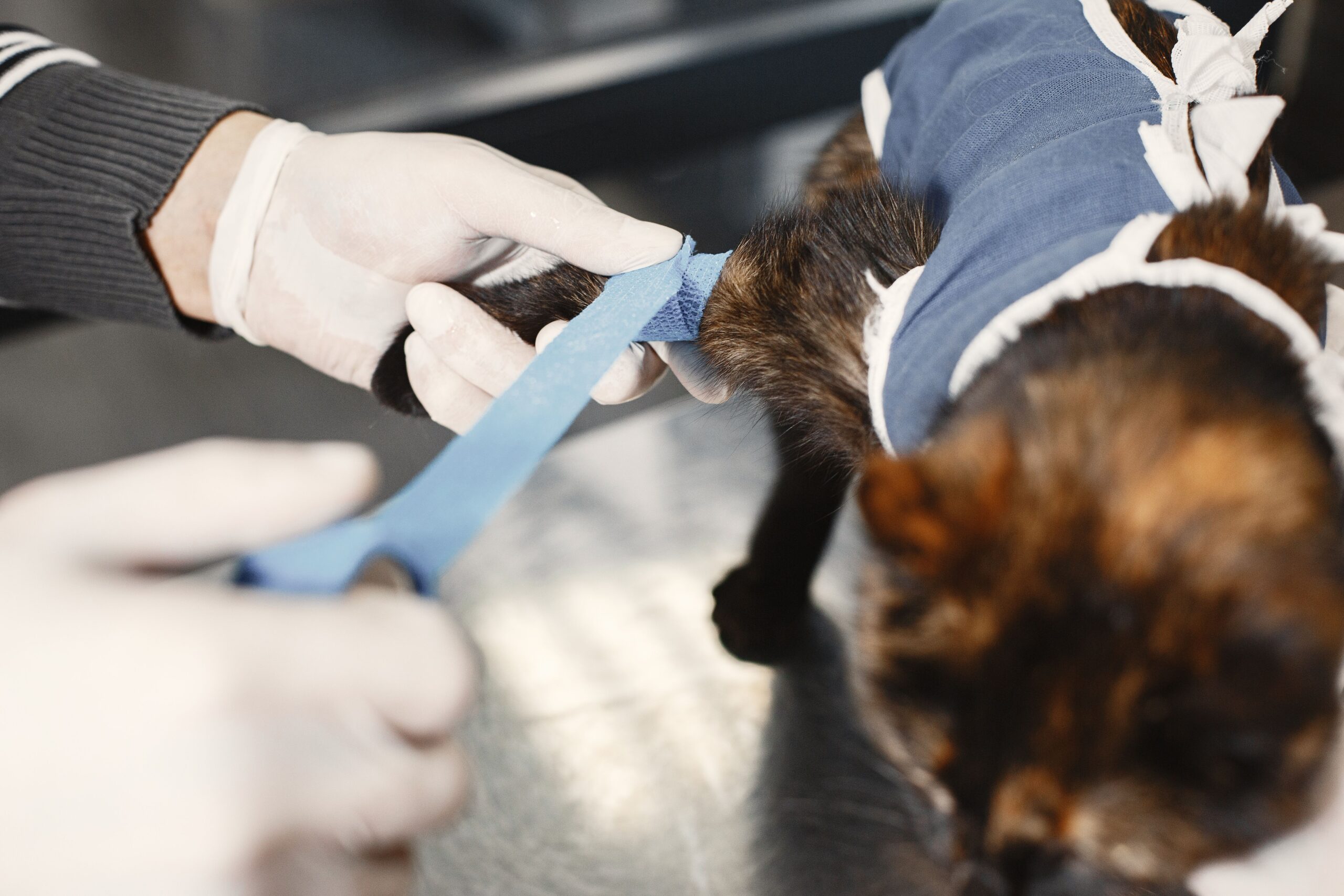
Cats, especially those that go outside or mingle with other cats, are exposed to wounds of varying severity. Knowing how to properly handle cat wounds helps speed up healing and avoid dangerous complications such as infections and abscesses. In this article, we present the most important causes of cat wounds, how to give correct first aid, and when you should head to the veterinarian.
Common Causes of Cat Wounds
- Fighting and scuffling with other cats, especially unneutered cats, due to territorial behavior
- Wounds resulting from falls from heights or sharp objects while playing or climbing
- Falling from balconies or unsupervised household accidents
- Bites from other animals, which carry a risk of various wound types since they can contain bacteria that cause infection under the skin
How Do You Tell the Difference Between a Simple Wound and a Serious Wound?
A simple superficial wound is usually a small scratch that doesn’t bleed heavily and doesn’t look deep. A serious wound, on the other hand, is marked by continuous bleeding that doesn’t stop, a clear deep opening reaching under the skin, severe swelling around the area, or a foul odor indicating the onset of infection. In case of doubt, it’s always best to head to the veterinarian to get a professional assessment.
Steps for First Aid for Cat Wounds at Home
- Wash your hands well before handling the wound, and try to keep the cat calm to reduce her stress
- Clean the wound gently using an appropriate antiseptic solution (povidone-iodine) diluted with water, or a saline solution that doesn’t irritate the tissue
- Remove any matted hair around the wound carefully to reduce the risk of further contamination
- If there is bleeding, apply gentle pressure with a clean piece of gauze for a few minutes until it stops
- Use an Elizabethan collar (cone) if needed to prevent the cat from licking the wound and delaying its healing
- Check the wound daily to monitor for any signs of worsening
When Should You See a Veterinarian Immediately?
You should head to a veterinary clinic immediately in the following situations: if the wound resulted from a bite from another animal (since there’s a risk of internal damage even if the wound looks small from the outside), if the bleeding is heavy and doesn’t stop, if signs of infection appear such as severe swelling, redness, a foul odor, or discharge, or if the wound is deep, has lost feeling, or the surrounding area feels hot. Prompt veterinary intervention in these situations spares you further complications and a longer treatment.
Preventing Cat Wounds
One of the best ways to prevent wounds is neutering, to reduce aggressive behavior and the tendency to fight, limiting her time outdoors for extended periods, keeping sharp tools and dangerous objects out of reach inside the house, and regular veterinary follow-up to make sure of her overall health.
Conclusion
Fast, correct treatment of cat wounds makes a big difference in the speed of healing and avoiding complications. If you notice any concerning sign, don’t hesitate to contact the veterinary clinic to assess your cat’s condition and get the appropriate treatment.
Frequently Asked Questions About Cat Wounds
Can I clean my cat’s wound myself before seeing a vet?
You can gently rinse a minor wound with saline, but deep, bleeding, or infected wounds need veterinary care right away.
How do I know if a wound is infected?
Watch for swelling, discharge, a bad odor, or your cat becoming lethargic or refusing food, these are signs to see a vet immediately.
Will my cat need antibiotics for every wound?
Not always. Your vet will decide based on the wound’s depth and cause, especially with bite or scratch wounds from other animals.
At Top Vet Clinic in Al-Rabwah, Riyadh, our team treats cat wounds quickly and safely. Book your appointment now via WhatsApp or contact us directly.