
Microchipping Cats and Dogs
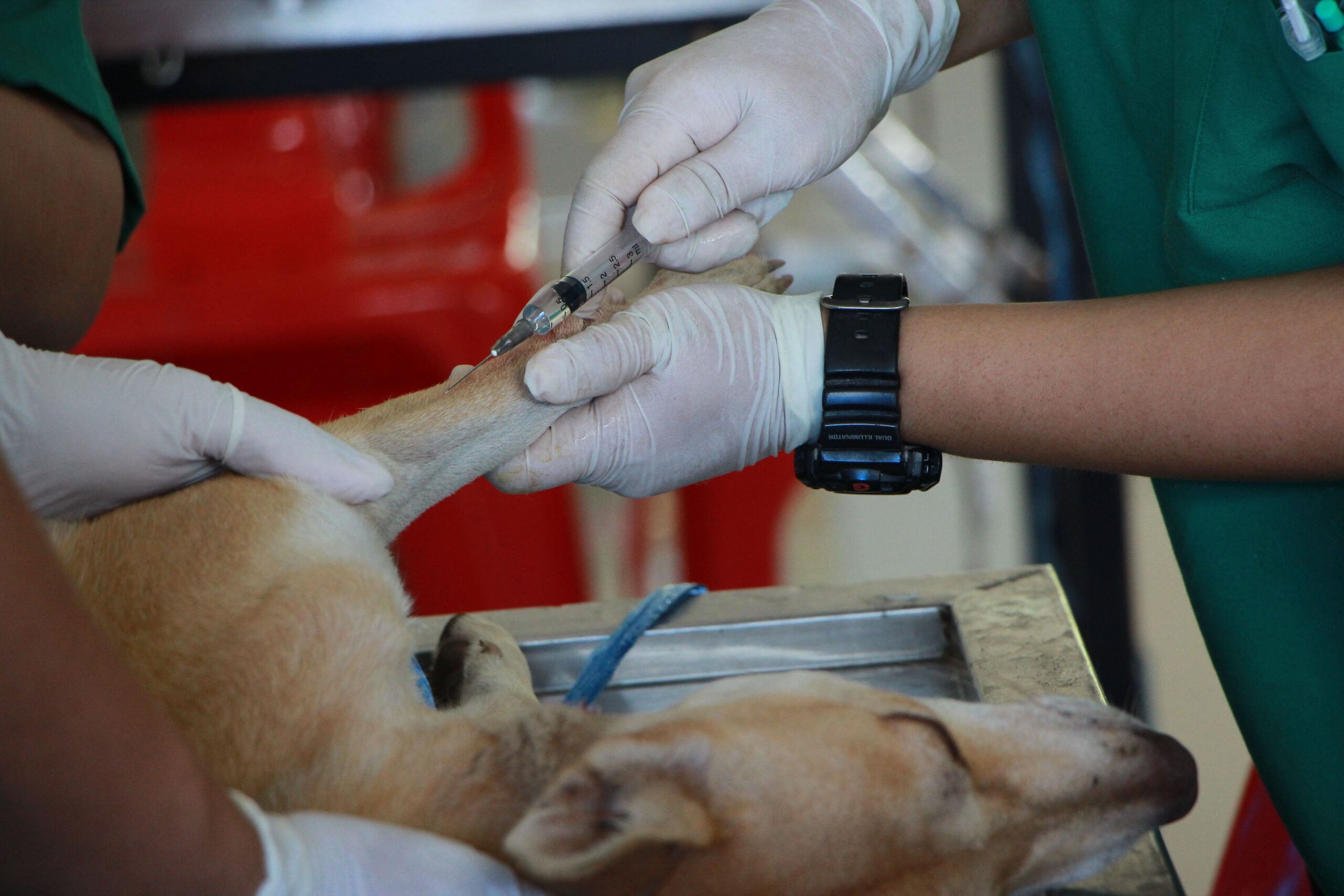
With growing awareness of the importance of protecting pets and making it easier to identify them if lost, cat microchipping and dog microchipping have become popular and important veterinary procedures for pet owners. In this article, we explain what this chip is, its benefits, how it’s implanted, and when it becomes necessary.
What Is the Electronic Chip (Microchip)?
The microchip is a very tiny device, roughly the size of a grain of rice, containing a unique identification number specific to the animal, implanted under the animal’s skin (usually between the shoulder blades). The chip doesn’t contain a battery or a GPS tracking system; it only works when a special scanner is passed over it, either at veterinary clinics or shelters, to read the identification number linked to the pet owner’s information.
The Benefits of Microchipping Your Pet
- Greatly increasing the chances of finding the animal and reuniting it with its owner quickly if it gets lost or wanders off
- Establishing formal, reliable proof of animal ownership in case of any dispute
- Facilitating pet travel procedures internationally, since many countries and airlines require a registered electronic chip as a basic requirement for importing or traveling with pets
- A permanent solution that can’t be lost, worn off, or removed easily, unlike collars or metal tags
Cat Microchipping: What Cat Owners Should Know
Cat microchipping is especially important because cats are more likely than dogs to roam outdoors or slip out unnoticed, making them harder to trace back to their owners without a permanent form of identification. A microchip gives your cat a lifelong, tamper-proof way to be identified at any shelter or veterinary clinic, unlike a collar which can fall off or be removed. Most veterinarians recommend cat microchipping as early as the first vaccination visit, and the procedure takes only a few seconds.
Dog Microchipping: What Dog Owners Should Know
Dog microchipping is equally essential, particularly for dogs that spend time outdoors, travel frequently, or have a tendency to escape from the yard. A microchip ensures that if your dog is ever lost, any vet or animal shelter can scan the chip and contact you directly. Dog microchipping is also a required step for pet travel and international relocation in many cases, making it a practical investment for any dog owner in Riyadh.
How Is the Chip Implantation Procedure Performed?
The chip implantation procedure is very simple and quick, and resembles a regular injection under the skin, usually not requiring sedation. The procedure takes only a few seconds, and cats and dogs of various ages can have it done during a routine visit to the veterinary clinic. It’s often recommended to combine it with vaccination or neutering appointments to reduce the number of visits.
Does Traveling with Pets Require an Electronic Chip?
Yes, most countries, including European Union countries, and many other destinations, require a registered electronic chip (usually to the ISO standard) as a basic requirement for importing pets or traveling with them, alongside required vaccination certificates and health checks. That’s why we recommend contacting our clinic early before your travel date, with enough time to make sure all the specific requirements of the destination country are met.
The Cost of Microchipping
The cost of microchipping varies from one clinic to another depending on the type of chip used and how well it complies with international standards, and prices may also vary seasonally or when it’s included in a package with other services like vaccination or neutering. So there’s no fixed, single price for this service, and we recommend contacting the veterinary clinic directly to find out the current price and available packages.
Conclusion
Microchipping is a simple, quick procedure that gives you great peace of mind about your pet’s safety and makes identifying them easier at any time. Don’t hesitate to contact the veterinary clinic to book an appointment or ask about the details.
Frequently Asked Questions About Microchipping
Is microchipping painful for my pet?
No, the procedure is quick and causes only mild, momentary discomfort similar to a routine vaccination.
Can the microchip move or stop working?
It is rare, but our vet will check the chip’s position and function during your pet’s regular checkups.
Is microchipping enough on its own to find a lost pet?
It greatly increases the chances of reunion, but it should be paired with a visible ID tag and an updated collar.
At Top Vet Clinic in Al-Rabwah, Riyadh, we microchip cats and dogs safely in a quick visit. Book your appointment now via WhatsApp or contact us directly.